
The best camera under 1000 in 2026 is genuinely impressive. Choosing between the options has never been harder.
All prices in this guide are in US Dollars. A camera under 1000 used to mean serious compromises on autofocus, video quality, or build quality. Today that budget buys you 4K 60p video, AI-powered subject tracking, and professional-grade image quality. Sony, Canon, Fujifilm, and Nikon all have strong options in this range. The challenge is no longer finding a capable camera under 1000. It is identifying which one matches your specific shooting needs.
This guide covers the best cameras under 1000 for photographers and creators. Each pick includes an honest assessment of who it suits and where it falls short.
What to Expect From a Camera Under 1000
Modern APS-C mirrorless cameras under 1000 consistently deliver:
- 24 to 26 megapixel sensors with excellent image quality in all lighting
- 4K video recording — some models at 60 frames per second
- Phase-detect autofocus with AI subject recognition
- Compact, travel-friendly body sizes
- Full compatibility with the mirrorless lens ecosystem of your chosen brand
What you typically give up below 1000 includes in-body image stabilization, dual card slots, full weather sealing, and the highest burst speeds. These matter to professionals. For photographers and creators at the learning or enthusiast stage, they are largely irrelevant.
As covered in the mirrorless vs DSLR guide, all the best cameras under 1000 in 2026 are mirrorless. Canon and Nikon have confirmed they are no longer developing new DSLR bodies. The mirrorless option at every price point is now the stronger choice.
Best Camera Under 1000 — Top Picks
Canon EOS R50 — Best Overall Camera Under 1000
Price: Approximately 679 USD body only | 799 USD with kit lens
The Canon EOS R50 is the most recommended camera under 1000 for beginners and creators. Its 24.2MP APS-C sensor delivers excellent image quality. The 651-zone Dual Pixel CMOS AF II autofocus tracks subjects reliably — including fast-moving ones that challenge lesser systems.
For video creators, the R50 shoots 4K at up to 30fps. Canon’s Dual Pixel autofocus stays active throughout video recording. The fully articulating touchscreen allows self-shooting without an additional monitor. This is essential for solo content creation.
The primary limitation is the 4K crop. Canon applies a 1.56x crop on top of the APS-C sensor when shooting 4K. This makes wide angle shots in video mode noticeably narrower than stills. It seriously affects vloggers who want wide environmental shots.
Best for: Beginners entering Canon’s RF system, photographers prioritizing stills quality
Lens ecosystem: Canon RF-S and RF mount — strong and growing
Where it falls short: 4K crop factor, no in-body stabilization
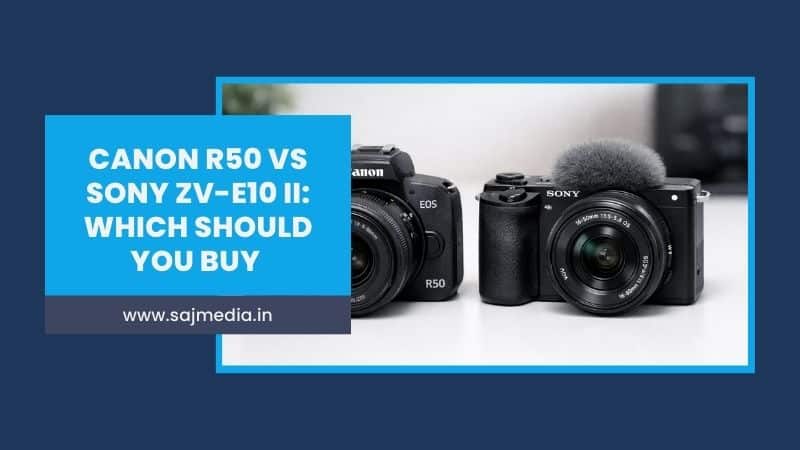
The Canon R50 vs Sony ZV-E10 II comparison covers both cameras in detail if you are deciding between these two.
Sony ZV-E10 II — Best Camera Under 1000 for Video
Price: Approximately 799 USD body only
The Sony ZV-E10 II is the strongest video-first camera under 1000. Its 26MP APS-C Exmor R sensor captures 4K at up to 60fps. There is no crop factor in video mode — unlike the Canon R50. The 10-bit 4:2:2 internal recording is rare at this price. It delivers significantly more flexibility in color grading than the 8-bit output of most competing cameras.
Sony’s AI-powered autofocus tracks subjects with impressive consistency. The compact form factor and flip-up screen suit solo shooting. The dedicated microphone input and wind noise reduction remove the need for additional audio equipment.
The ZV-E10 II is not a photography-first camera. There is no electronic viewfinder. You compose entirely on the rear screen. This limits its usefulness for fast-paced stills shooting in bright outdoor conditions.
Best for: Content creators, vloggers, YouTube creators, video-first shooters
Lens ecosystem: Sony E-mount — the deepest APS-C lens ecosystem available
Where it falls short: No viewfinder, modest battery life
Fujifilm X-M5 — Best Compact Camera Under 1000
Price: Approximately 799 USD body only
The Fujifilm X-M5 weighs just 355 grams. It is the smallest body on this list. Despite the compact size, it delivers 26.1MP resolution and 6.2K video capability. Image quality competes with significantly more expensive cameras.
The X-Trans CMOS 5 sensor produces Fujifilm’s signature color rendering. The Film Simulation modes — Provia, Velvia, Classic Chrome, Eterna Cinema — produce polished results straight out of camera. Minimal editing transforms them into finished social media content. This suits content creators who need to move quickly from shooting to publishing.
The significant limitation is the fixed rear screen. It does not articulate or flip. Self-shooting for vlogging is impractical without an external monitor.
Best for: Photographers who prioritize color, creators who value compact size
Lens ecosystem: Fujifilm X-mount — excellent compact, high-quality lenses
Where it falls short: Fixed screen limits self-shooting and low-angle composition
Canon EOS R100 — Best Camera Under 1000 on a Tight Budget
Price: Approximately 499 USD body only | 599 USD with kit lens
The Canon EOS R100 is the most affordable new mirrorless camera under 1000 with a viewfinder. Its 24.1MP APS-C sensor matches pricier cameras in most conditions. The RF lens mount gives access to Canon’s full RF and RF-S lens ecosystem.
At 499 USD, it leaves meaningful budget for a prime lens. A 50mm f/1.8 costs around 200 USD. Together the combination still comes in well under 1000. However, the fixed non-touch screen and no 4K video are real limitations for video-focused buyers.
Best for: Budget-conscious stills photographers, beginners wanting Canon’s RF ecosystem
Lens ecosystem: Canon RF-S and RF mount
Where it falls short: No 4K video, fixed non-touch screen, lower burst speed than R50
Fujifilm X-T30 III — Best Camera Under 1000 for Enthusiasts
Price: Approximately 900 USD body only
The Fujifilm X-T30 III sits at the top of the 1000 bracket. It earns its place for photographers who want direct physical controls. Dedicated dials for shutter speed, ISO, and exposure compensation make shooting feel intuitive. It is closer to a traditional film camera than any competing body at this price.
The 26.1MP X-Trans sensor produces excellent image quality with Fujifilm’s signature color. The electronic viewfinder is high-resolution and responsive. It is genuinely useful in bright conditions where rear screens wash out.
Best for: Enthusiast photographers, photographers transitioning from DSLR
Lens ecosystem: Fujifilm X-mount
Where it falls short: No in-body stabilization, smaller battery than larger bodies
Sony A6400 — Best Camera Under 1000 for Lens Ecosystem
Price: Approximately 849 USD body only
The Sony A6400 is a slightly older body. It remains one of the strongest all-round performers as a camera under 1000. The depth of Sony’s E-mount lens ecosystem is its primary advantage. Real-time eye tracking and subject recognition remain reliable in practice.
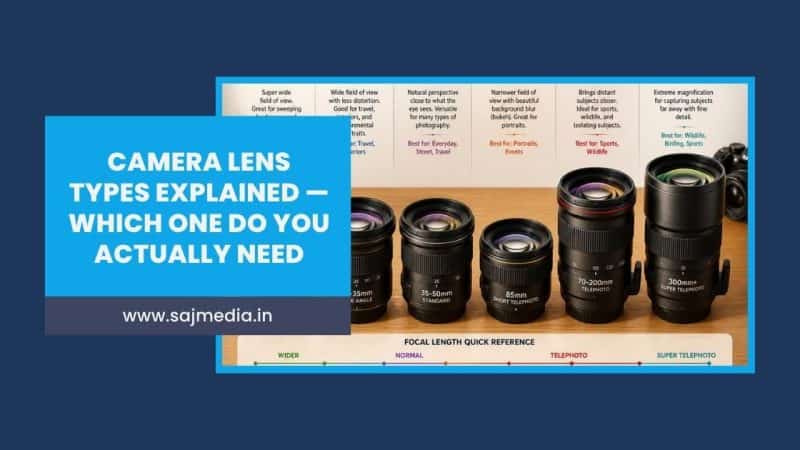
Sony’s E-mount has over 60 native lenses. Third-party support from Sigma and Tamron adds significantly more affordable options. No competing APS-C system at this price matches that selection. As explained in the camera lens types guide, the lens ecosystem matters more than the body at this stage of your journey.
Best for: Photographers who prioritize lens ecosystem depth, existing Sony users
Lens ecosystem: Sony E-mount — widest APS-C ecosystem available
Where it falls short: Older body design, no articulating screen
Quick Comparison — Best Camera Under 1000 by Need
| If you need… | Best pick | Price (USD) |
|---|---|---|
| Best all-round beginner camera | Canon EOS R50 | ~679 |
| Best for video and vlogging | Sony ZV-E10 II | ~799 |
| Best compact size and color | Fujifilm X-M5 | ~799 |
| Best value at lowest price | Canon EOS R100 | ~499 |
| Best enthusiast controls | Fujifilm X-T30 III | ~900 |
| Best lens ecosystem access | Sony A6400 | ~849 |
What to Consider Before Buying
Lens ecosystem matters more than the body. The camera under 1000 you buy today will likely be replaced in three to five years. The lenses you buy will last a decade or more. Choose a brand whose lens ecosystem suits your long-term goals before committing to a mount.
New body vs used body. The 1000 USD budget unlocks significantly more powerful cameras on the used market. A used Sony A7 III or Canon R6 sells in the 900 to 950 USD range from verified sellers. Both are full-frame cameras delivering performance well above new APS-C bodies at the same price. Check B&H Photo for verified condition ratings.
Body only vs kit lens. Kit lenses bundled with cameras are significantly better in 2026 than five years ago. The Canon RF-S 18-45mm and Sony E 16-50mm are genuinely useful starting lenses. For most buyers, the kit bundle is the right starting point.
Invest in a prime lens early. Adding a 50mm f/1.8 prime — around 150 to 250 USD — dramatically improves portrait and low-light results. This single addition transforms what your camera can do. It outperforms any body upgrade at the same price.
Using Your Camera for Content Creation
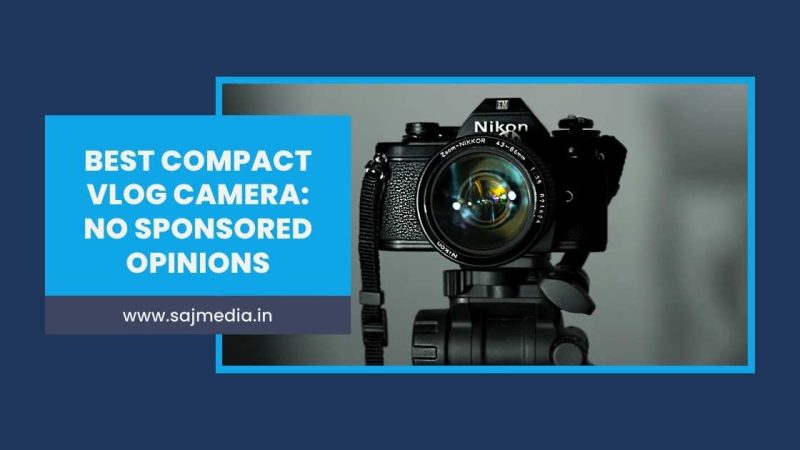
A camera under 1000 is more than capable of producing professional-quality content for YouTube, Instagram, and social media. The compact vlog camera guide covers microphone setup, stabilization, and lens choice. These details make the difference between good and great content regardless of which body you choose.
According to Fstoppers’ 2026 budget camera testing, the Canon EOS R50 is the best overall camera under 1000 for most buyers. It combines reliable autofocus, solid 4K video, and a fully articulating screen. The price leaves meaningful budget for lenses and accessories.
FAQ
The Canon EOS R50 is the best overall camera under 1000 for most buyers at approximately 679 USD. It combines excellent autofocus, reliable 4K video, and Canon’s RF mount ecosystem. For video-first creators, the Sony ZV-E10 II at 799 USD is the stronger choice for its 4K 60p and 10-bit recording.
Yes — for content creation, portrait photography, travel, and documentary work, a camera under 1000 delivers professional-quality results. Professional limitations only emerge in highly specialized situations requiring dual card slots, weather sealing, or the highest burst speeds.
Both options are valid. New cameras under 1000 offer warranty coverage and the latest features. Used cameras in the 800 to 1000 USD range can deliver full-frame performance from previous-generation Sony A7 III or Canon R6 bodies. Buy from verified sellers with return policies.
The Sony ZV-E10 II is the strongest camera under 1000 for YouTube creators. Its 4K 60p video, excellent autofocus, flip-up screen, and microphone input cover everything a solo creator needs without additional equipment.
Start with the kit lens bundled with the camera. Add a 50mm f/1.8 prime — around 150 to 250 USD — as your second lens for portraits and low light. This combination handles the majority of shooting situations without exceeding your total budget.
New full-frame mirrorless cameras start above 1000 USD. However, used full-frame bodies including the Sony A7 III and Canon R6 regularly sell in the 900 to 950 USD range from verified sellers. This is the most effective way to access full-frame performance within a 1000 USD budget.
Conclusion
The best camera under 1000 in 2026 depends more on what you shoot than which specification list looks most impressive. The Canon EOS R50 suits the widest range of buyers. The Sony ZV-E10 II suits dedicated video creators. The Fujifilm options suit photographers who prioritize color and shooting experience.
Whatever camera under 1000 you choose, invest seriously in lenses. A strong prime lens on a budget body consistently outperforms a weak zoom on an expensive body. Understanding camera lens types before spending your lens budget is the most practical next step after choosing your camera.


Leave a Comment
Your email address will not be published. Required fields are marked *